If you own property in Los Angeles, you already design around contradictions. Winter can be green and gentle, then April dries the hills, June layers on coastal fog, and August heat tests anything you plant. Water restrictions come and go, but the trend only points one way. Yards have to earn their keep, both aesthetically and functionally, without demanding constant inputs. Done well, a Los Angeles landscape cools the house, frames the architecture, welcomes guests, settles dust, and drinks far less than a lawn.
I have designed, installed, and maintained residential landscapes across the basin, from Mar Vista courtyards to Granada Hills slopes. The properties change, the bones of good work do not. Think in systems, respect microclimates, build for durability, and choose plants the way a chef chooses ingredients, for flavor and function. This is a practical, modern roadmap for Los Angeles homes and properties, from early concepts to long-term care, with real costs, trade-offs, and a few lessons earned on job sites.
Begin with climate literacy, not a mood board
Mediterranean climate shapes everything. Los Angeles sits in USDA zones 9b to 11a, with a Köppen classification that signals mild, wet winters and long dry summers. By July, even “drought tolerant” plants grown in the wrong exposure can scorch. Santa Ana winds funnel heat and desiccation, sometimes in October when new fall plantings have not rooted. Fog belts near the coast keep mornings cool and salty, while inland valleys hold heat well past midnight. Hillside neighborhoods have rapid drainage and reflected heat from hardscape.
Take two hours to walk your property morning, midday, and late afternoon. Note where shadows fall, the hot stucco walls, the breeze corridors between houses, and any frost pockets on winter mornings. Find the hose bib with the weakest pressure, because that will reveal irrigation limits. If you listen closely, the site tells you what will thrive.
Design language for Los Angeles architecture
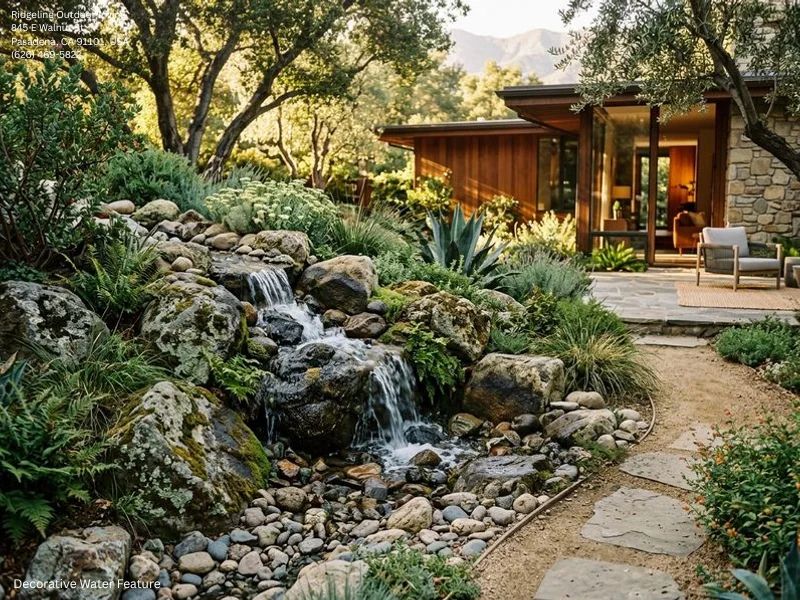
Los Angeles is a patchwork of styles, and landscapes should partner with the house, not fight it. A Spanish Revival bungalow accepts clipped rosemary and fan palms better than quartzite boulders and neon succulents. A Mid-century modern in the hills pairs with broad planes, low plant palettes, and stone or concrete that mirrors the home’s geometry. Craftsman homes reward layered understory planting with dappled shade from sycamores or Chinese pistache, plus river rock that nods to the era.
Fences and gates matter more than most owners expect. In older neighborhoods, a new front fence can add perceived value quickly if it matches the home’s vocabulary. I have replaced default dog-ear cedar with horizontal redwood slats stained a warm brown, and the home suddenly reads as intentional. In coastal zones, powder-coated steel or composite materials resist corrosion better than raw wood.
Paths and patios shape the way a yard is used. Crushed decomposed granite (DG) looks handsome but tracks indoors if not stabilized and raked. Concrete is durable and cost effective, yet can glare in bright sun and reflect heat onto nearby plants. Porcelain pavers set on gravel stay cooler underfoot, shed stains, and maintain a crisp joint. Permeable options ease runoff on hillside lots and may help with permit sign-offs where stormwater management is flagged.
Water wisdom that pays back every month
Turf still has its place, just smaller and smarter. A family with soccer-age kids might keep a 300 to 500 square foot hybrid tall fescue or UC Verde buffalo grass patch, bordered by low water plants. Everyone else can accomplish green ground plane with dymondia, kurapia, or a tight palette of groundcovers like myoporum, carissa nana, and creeping rosemary. Unirrigated gravel moonscapes look minimalist in photos, but real yards benefit from layered canopies that shade soil and reduce water demand down the line.
Efficient irrigation is not a gadget problem, it is a zoning and selection problem. Group plants by hydrozone, meaning plants with similar water needs share a valve. Convert sprays to pressure-regulated multi-stream rotators in any area that still needs overhead irrigation. Elsewhere, dripline or point-source emitters should be the default. A modern controller with soil moisture sensing and local weather data, properly programmed, saves 20 to 40 percent over basic timers. That savings is real. LADWP tiered water rates mean inefficient yards can see summer bills double compared to neighbors with matched precipitation and good scheduling.
Greywater and rainwater deserve attention, not as retro curiosities but as practical systems. A laundry-to-landscape line costs less than most people expect and can hydrate citrus, figs, or native-adjacent shrubs during dry months within code allowances. For new hardscapes, include at least one 65 to 100 gallon rain barrel or a simple gravel infiltration trench to slow roof runoff.
Right plant, right microclimate
Mediterranean climate heroes include olives, manzanita, toyon, ceanothus, salvia, westringia, bougainvillea, and sages, but the list is not one-size-fits-all. On the coast, hebes and feijoa shrug off salt air. In the San Fernando Valley, olives thrive but tender succulents need afternoon shade by August. On hillside properties with thin soils, deep-rooting natives earn their keep controlling erosion. Avoid thirsty cottage mixes unless you plan to irrigate through September, and be realistic about hedges. Podocarpus works where xylosma or privet might run ragged under heat stress.
Trees are infrastructure. They cool patios, filter air, and anchor sightlines. For small front yards, Arbutus ‘Marina’ provides four-season interest without sidewalk heave if planted with root barriers. Fruit trees bring joy, yet require a commitment to pruning and a willingness to share with wildlife. Where power lines slice across backyards, choose smaller species like desert willow or crape myrtle rather than topping a larger tree forever.
Plant in fall when soil is warm and air is soft. Roots push through winter rains and face their first summer with more resilience. I have replanted more spring installs than I care to admit because clients could not wait. They looked great in May, struggled by August, and needed extra water or shade cloth. Patience is cheaper.
Materials that hold up in LA
Sun exposure degrades cheap plastics and many composite materials faster than brochures claim. Choose UV-stable components for drip systems, and shield exposed piping. For fences and pergolas, metals with powder coat or hot-dip galvanization do well, and hardwoods like ipe, garapa, or thermally modified ash weather gracefully if maintained. Flagstone gets slick with coastal algae, while dense porcelain pavers can mimic limestone without the slipperiness or staining. In high-traffic areas, set pavers on proper base depth — 4 to 6 inches of compacted class 2 aggregate in yards, 6 to 8 for driveways — or you will chase settling for years.
Gravel choices matter more than catalogs suggest. Pea gravel wanders and is a chore for chair https://maps.app.goo.gl/NWcZCBUBNLXMvppa7 legs. 3/8 inch angular gravel locks better underfoot. For DG, ask for a stabilized mix with a natural binder, and require a mockup so you can see color and compaction before committing.
Budgeting, with honest cost ranges
Costs vary with access, slope, and material choices, but patterns hold across Los Angeles. A modest front yard refresh with plantings, drip irrigation, and a small path lands around 15,000 to 35,000 dollars. A full backyard with patio, seat walls, lighting, irrigation, plantings, and a pergola runs 60,000 to 150,000 dollars depending on materials. Hillsides, poor access, and major grading can double those numbers.
Here are typical 2026 retail and install ranges I see on jobs:
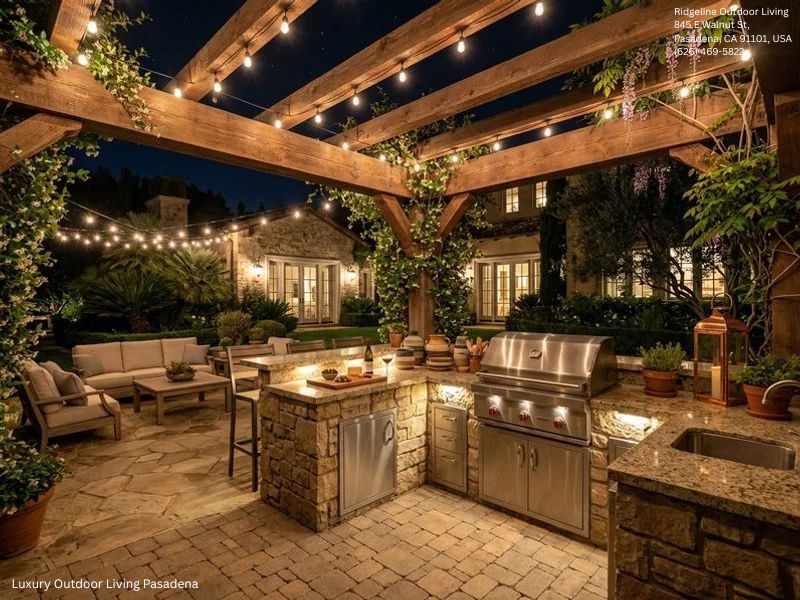
- Turf removal and conversion with drought tolerant plantings and drip often prices at 10 to 20 dollars per square foot. Native heavy palettes skew toward the higher side due to plant cost and spacing. Poured concrete patios settle around 16 to 30 dollars per square foot depending on finish. Large-format porcelain pavers set on gravel with edging range from 28 to 45 dollars per square foot. Low-voltage lighting with 8 to 12 fixtures and a transformer generally falls between 2,500 and 6,000 dollars. Quality fixtures matter. Cheaper path lights oxidize and fail within three summers. A cedar or redwood pergola, 10 by 12 feet, hovers around 9,000 to 18,000 dollars. Steel can reach 20,000 to 30,000 dollars but lasts and carries a clean silhouette many LA homes suit. New smart irrigation with four to eight zones, including drip conversion and a weather-based controller, often totals 3,000 to 8,000 dollars on an average residential lot.
Be wary of estimates that seem dramatically lower, especially if they gloss over base prep, soil amendments, drainage, or long-term irrigation performance. Skipping drainage fabric under gravel saves hundreds and costs thousands later when fines migrate and patios rut or plants drown during a January storm.
The permitting and code backdrop
Most softscape updates move forward without heavy permitting, but do not assume. Front fences, retaining walls over 3 to 4 feet, gas lines for fire features, electrical work, and certain trees on public parkways can trigger permits. In coastal zones, additional layers apply. If you share a slope or block wall with a neighbor, survey lines and engineering take on outsized importance. I have seen projects stall six weeks over a shared retaining wall that a previous owner built an inch onto a neighbor’s parcel. Verify before you spend.
For parkway strips, many cities allow drought tolerant plantings and DG or gravel with conditions. Maintain clear pedestrian access and sightlines. LADWP and Metropolitan Water District run rebates for turf replacement and efficient irrigation that change year to year. When available, turf rebates can bridge 2 to 5 dollars per square foot, though requirements are strict about plant coverage and mulch depth. Keep copies of invoices, plant lists, and photos to pass audits.
Lighting that flatters without glare
In Los Angeles, people live outdoors after dark nearly year-round. A few well-placed fixtures transform a yard more than almost any other line item. Go for layers rather than runway lights. Soft washes on walls and hedges bounce light without showing the source. Narrow beams on specimen trees sculpt form. Low path lights at knees, not ankles, keep glare off eyes. Respect neighbors and wildlife with warm color temperatures, ideally 2700K and under, and shielded fixtures.
Anecdotally, I see more homeowners willing to invest in lighting once they host a single dinner in a newly installed but unlit yard. The space feels unfinished without it, and retrofits are never as clean as wiring with the rest of the build.
Maintenance that respects the calendar
Los Angeles has two growing pulses. Early spring wakes subtropicals, and fall rains push natives and Mediterranean species. Prune with those cycles in mind. Cut back salvias and grasses in late winter. Deadhead bougainvillea lightly through summer to avoid bare patches. Citrus wants feeding three times a year, or four if you push for production. Keep mulch at two to three inches, top it up annually, and never bury the crown of a plant. Deep, infrequent irrigation keeps roots from camping at the surface. Weekly sips teach plants to expect room service and punish you the first time the timer fails.
Weed pressure spikes after the first major rain. Get ahead of it with pre-emergent in some non-edible zones if you are open to it, and a standing plan for hand weeding and spot mulching. Gophers are real in hillside and valley neighborhoods. If you value a particular plant or edible bed, consider baskets at planting and continue trapping. Poison has collateral damage and is best avoided.
Step-by-step planning for a successful project
- Define use zones, not just looks. Where will people gather, where will kids or dogs run, where will trash bins live, where will deliveries pass? Map sun, shade, and breezes at three times of day and two seasons. Use this to set hydrozones and pick plants. Establish a realistic budget with a 10 to 15 percent contingency for surprises behind old concrete, roots, or utilities. Phase the project logically if needed. Irrigation and main hardscape first, then lighting and plantings, finally furniture and art. Hire pros for what matters: drainage, gas and electrical, key masonry. Save your DIY energy for planting or painted accents if you wish.
Mistakes I see, and how to avoid them
- Matching the neighbor’s hedge species without checking your sun and soil. Podocarpus in deep shade turns leggy and loses privacy. Installing valve boxes in the lowest point of a yard. They flood, silt in, and destroy solenoids during the first storm. Using a single emitter size across a mixed bed. You will drown one plant and starve another. Calibrate by need, then adjust seasonally. Overlooking walk widths. 24 inches pinches. 36 inches is humane. Near driveways or trash routes, 42 inches prevents scuffs and broken shrubs. Planting too close to walls for a quick fill. Heat radiates, paint peels, and plants scorch. Give stucco at least 12 inches of breathing room, more for heat-reflective colors.
Real-world snapshots
A narrow Mar Vista lot, 30 by 120 feet, needed outdoor dining and a dog path. We kept the central run of the yard open, edged it with a low curve of drought tolerant grasses and flowering salvias, and tucked dining beside the house under a simple steel pergola with reed shading. The front yard, formerly a tuft of failing lawn, became a native-forward composition with manzanita, ceanothus, and a drift of dymondia, accented by a single olive. Water use dropped by roughly 60 percent in summer compared to the prior turf and spray heads, verified on the water bill after the first full season. The client later added low-voltage lighting, turning what had been a pass-through space into the prime evening habit.
On a Sherman Oaks slope, budget would not stretch to a full wall rebuild. We terraced with timber steps, used perforated pipe behind the risers for drainage, and planted deep-rooted natives around boulder outcrops. An existing jacaranda, once we limbed it, threw lacework shade that allowed us to tuck in plectranthus and lomandra. We swapped a planned concrete patio for compacted stabilized DG under the canopy. In late summer, it stayed noticeably cooler than the driveway and needed only a light mist while hosting. Sometimes the compromise improves the outcome.
Style cues for modern LA landscapes
Modern Los Angeles landscapes favor restraint over riot. Two or three plant families repeated at scale give coherence. A line of westringia ‘Grey Box’ underplanted with blue fescue and punctuated by aloes reads calmer than six unrelated shrubs vying for attention. Large pots in architectural colors anchor patios better than a scatter of small planters. Choose a palette for hardscape and stick to it, whether you land on warm limestone tones or cooler concrete and steel. Color pops come from foliage and flowers rather than paint if you want longevity.
For those chasing current trends, edible plantings in ornamental beds are moving from novelty to normal. Artichokes make sculptural statements. Rosemary, thyme, and oregano form evergreen edges. Lemongrass handles heat and adds texture. Just separate irrigation zones if edibles want more water than adjacent drought tolerant species. A so-called Modern Landscaping Guide for Los Angeles Properties often overlooks that simple zoning detail. Do not.
Curb appeal and value, without gimmicks
Appraisers do not always put a line item on landscaping, but buyers feel it the moment they step from the curb. A clear path, framed by healthy foliage at knee and shoulder height, with a single focal tree and warm lighting, sets tone. Replace a tired lawn with a composed planting and you will often recoup the investment faster than a remodel. I have seen sellers credit two to four percent higher offers when a yard photographs well and shows easy maintenance.
Small changes pay. Regrade the front yard to remove the driveway hump that snags low cars. Replace oversized hedges with structured shrubs that top out below windowsills. Add a simple bench near the entry if space allows, signaling hospitality. A Homeowner’s Guide to Landscaping Los Angeles Properties is as much about human movement and hospitality as plants.
Timelines and project flow in Los Angeles
From first call to final walkthrough, a typical project stretches eight to sixteen weeks, longer with permits or custom steel. Demolition and rough grading take a week or two. Hardscape is another two to six weeks depending on size and complexity. Irrigation and lighting rough-ins weave through that window. Planting, mulch, and finish lighting usually land in the final week. Factor in lead times for specialty items. In the past year, we have seen three to eight week waits for certain porcelain pavers and steel fabrication slots.
Try to land planting in the fall. If your schedule pushes to summer, budget for extra water and shade cloth in hot exposures. If rain threatens while you pour concrete, pause. I have never regretted a delay to save a finish.
Sustainability that holds up beyond a slogan
Sustainability starts with using less, then using better. Lower water demand through hydrozoning and soil health beats installing flashy cisterns you will not maintain. Choose long-lived materials that can be repaired. Avoid big blocks of synthetic turf where possible. It gets hot, sheds microplastics, and amplifies heat islands. Where a small synthetic patch makes sense for dogs or narrow side yards, pick high-quality infill and install drainage to prevent odors.
Wildlife-friendly choices do not require a wild aesthetic. Native and climate-adapted landscaping guidelines plants attract pollinators and birds. Keep night lighting warm and shielded. Add a small water source like a bubbler or saucer, cleaning it weekly. If you can, leave a few inches of leaf litter under hedges to support beneficial insects. This is where textbook ecology meets tidy residential expectations, and modern Los Angeles landscapes can do both.
Tools, trades, and when to call in help
Owners can handle planting, painting, and simple irrigation repairs with patience and the right tools. When you move earth, pour concrete, set drainage, or run gas and electrical, bring in pros. A skilled mason saves you from cracks and trip hazards that linger for years. A certified arborist can steer you away from planting a bottlebrush under power lines or shaping a young olive into permanent imbalance.
If you want a one-stop team, firms like Ridgeline Outdoor Living often package design, installation, and maintenance. Whether you choose a full-service company or assemble your own team, ask for references, verify licenses and insurance, and demand detailed proposals that specify materials, plant sizes, and warranties. The best contractors welcome informed questions and resist vague allowances that later balloon.
What a complete, modern plan includes
A strong plan for Los Angeles homes and properties includes concept drawings with dimensions, a planting legend with botanical and common names, an irrigation zoning diagram, a lighting layout with fixture types and beam spreads, drainage notes, and a materials board. It also documents maintenance expectations, from pruning windows to fertilization and winter cutbacks. Homeowners who receive that bundle step into ownership with fewer surprises and more confidence.
Call it The Essential Landscaping Guide for Los Angeles Property Owners, call it From Design to Installation: The Complete Landscaping Guide for Los Angeles Properties, the labels change but the bones do not. Your yard is a system, and systems reward clarity.
Closing thoughts from the field
Los Angeles landscapes invite you to edit. Resist the urge to cram. Keep sightlines open, choose a strong tree, layer in understory for movement, and add a single architectural gesture you love, whether it is a steel arbor, a water rill, or a long bench. Budget for irrigation done right and lighting you will use. Add mulch, then add more. Check emitters at the start of each season. Walk the yard barefoot at sunset and feel where it is hot, dusty, or dead to sound. Fix those places first.
If you want a handy bookmark name, think of this as The 2026 Landscaping Guide for Los Angeles Properties and keep adapting as weather and water rules evolve. The gardens that endure are the ones that match the climate, the architecture, and the lives lived within them. When in doubt, simplify, and let plants and light do the talking.
Business Name: Ridgeline Outdoor Living
Address: 845 E Walnut St, Pasadena, CA 91101, United States
Phone: (626) 469-5822
Ridgeline Outdoor Living
Ridgeline Outdoor Living is a Pasadena-based landscape design-build company serving Greater Los Angeles with custom outdoor living, hardscape, and drought-tolerant landscape solutions. The company specializes in patios, retaining walls, outdoor kitchens, drainage, hillside projects, and turnkey landscape construction, handling projects from design and permitting through final build and warranty.
845 E Walnut St, Pasadena, CA 91101, USA
Business Hours:
- Monday – Saturday: 8:00 AM – 6:00 PM
- Sunday: Closed
Follow Us: